Exploring the World's Largest Geode
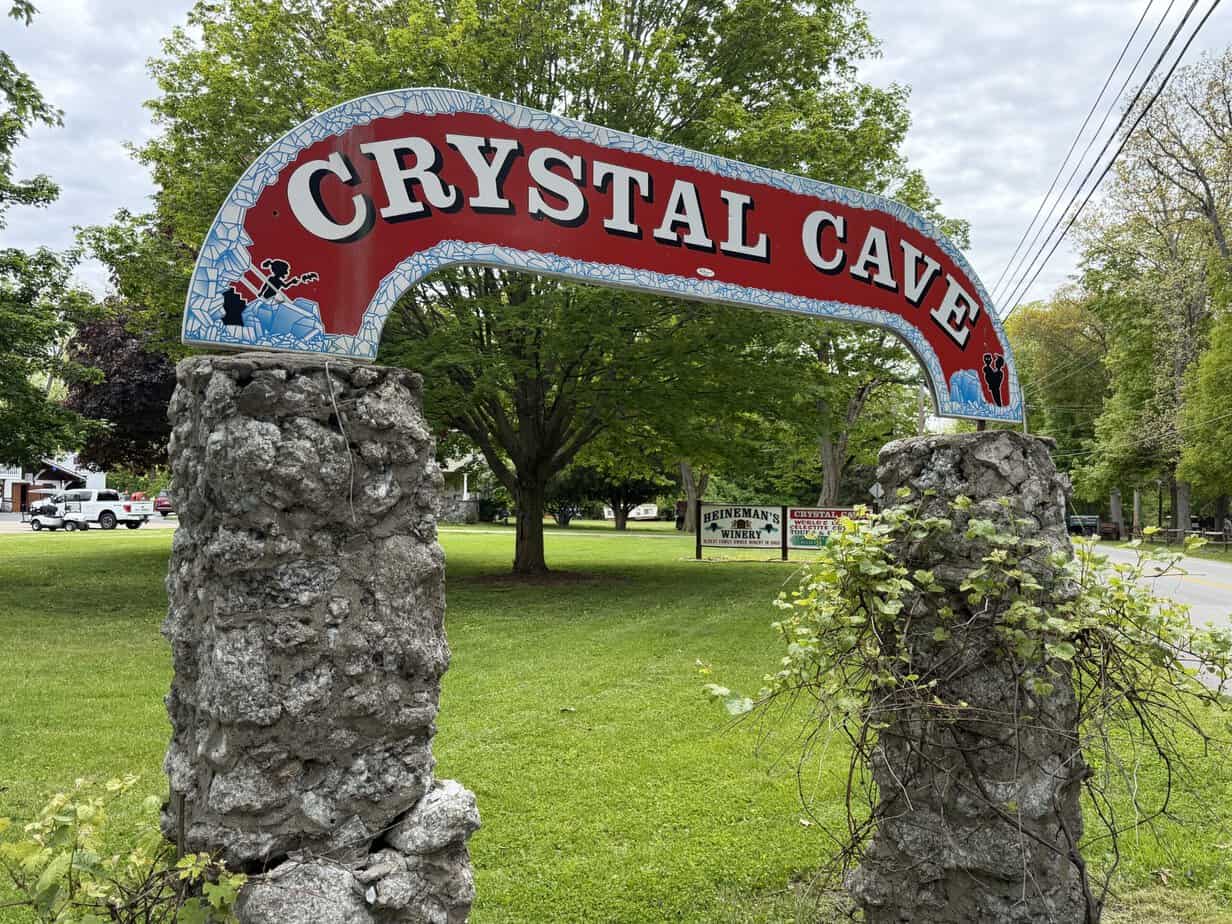
Imagine digging a well for your winery and discovering something that would ultimately save the future of the winery. That's exactly what happened to Gustav Heineman in 1897.
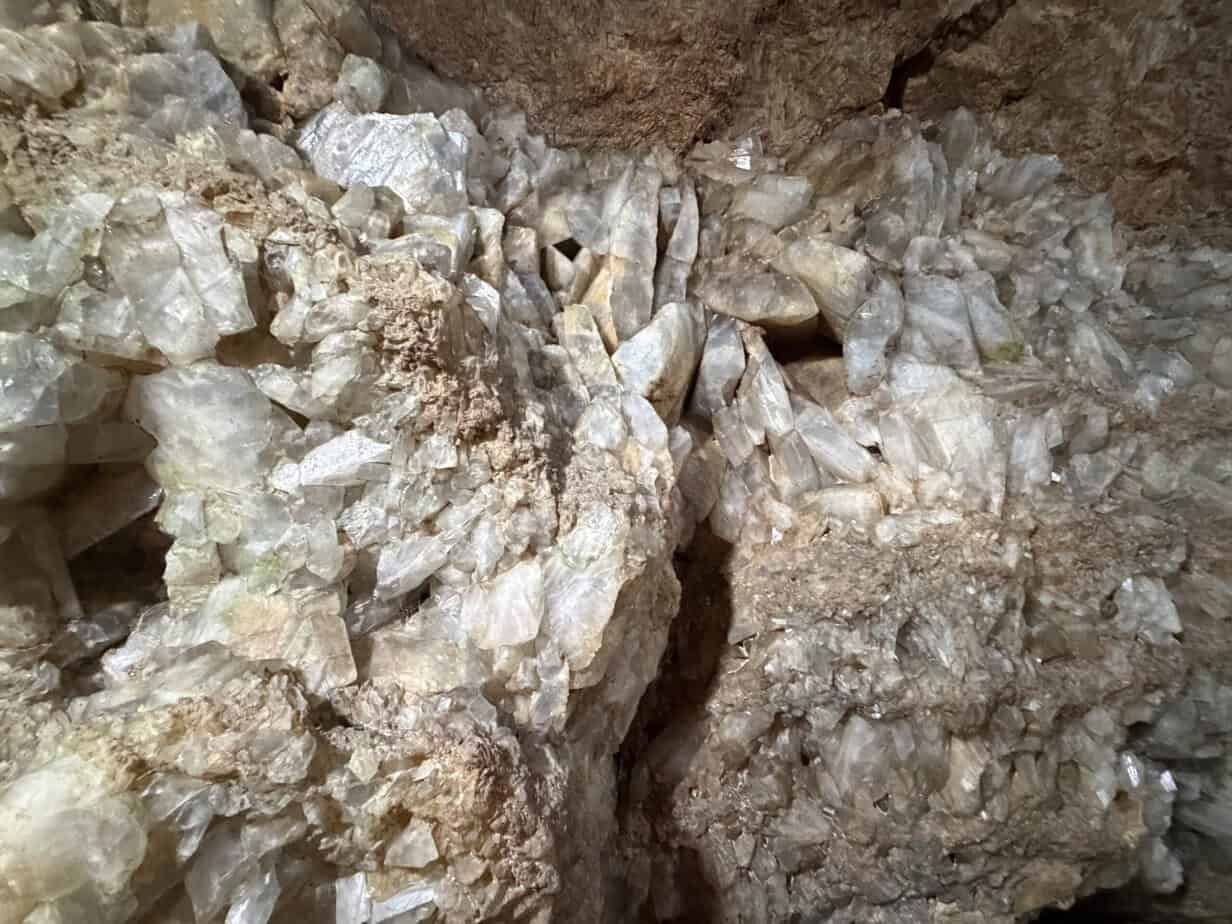
Heineman built his winery on Put-in-Bay in Ohio, but needed a well to service the winery. During the dig, the workmen discovered something no one expected -- a cavernous opening with gigantic crystals lining the walls. What they found would become known as the world's largest geode. While a cave is an underground chamber, a geode is actually a large, enclosed rock with a void in the center without a natural entrance.
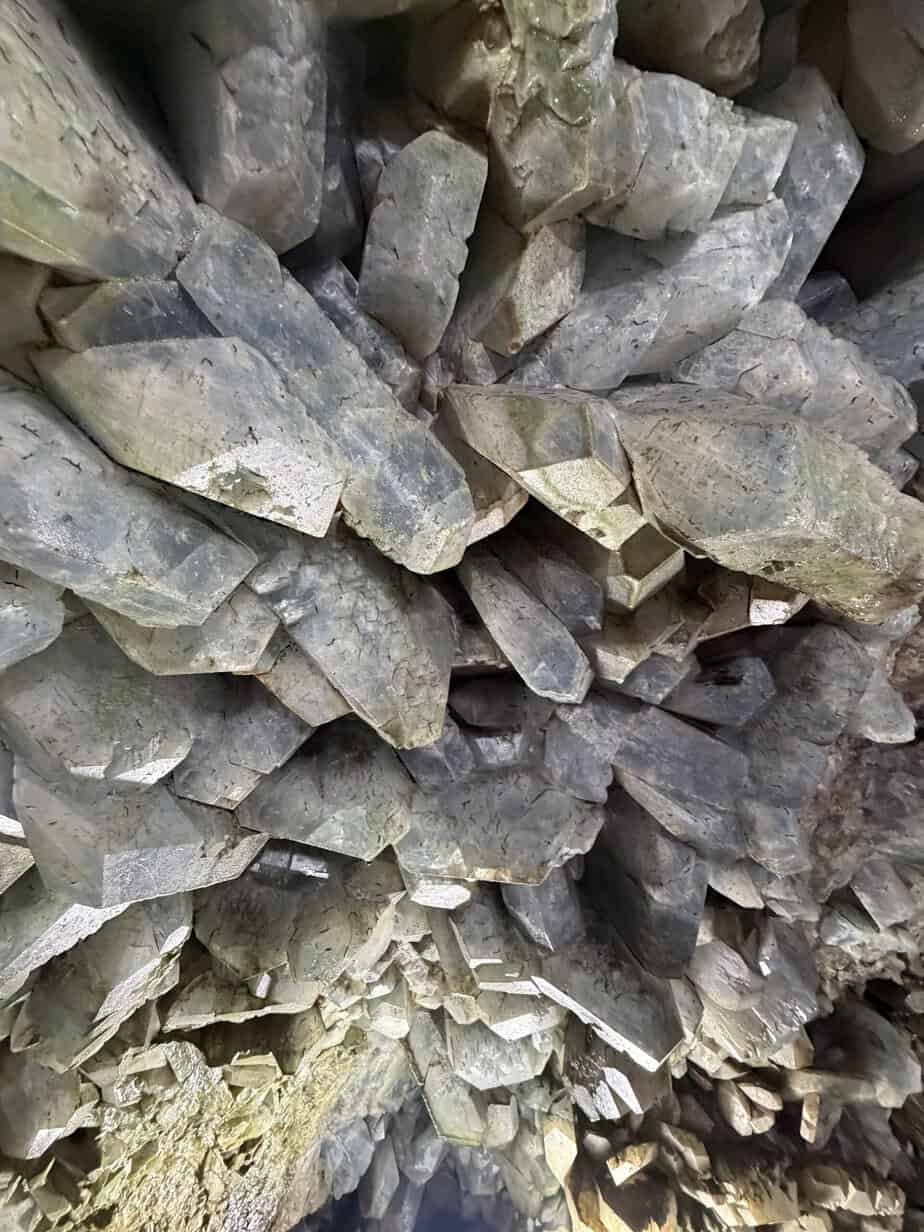
The geode Heineman found was lined with thousands of Celestine crystals, some as large as three feet. The original cave was much smaller than the one you see today. Celestine crystals contain strontium sulfate which is used in the creation of red fireworks and road flares.
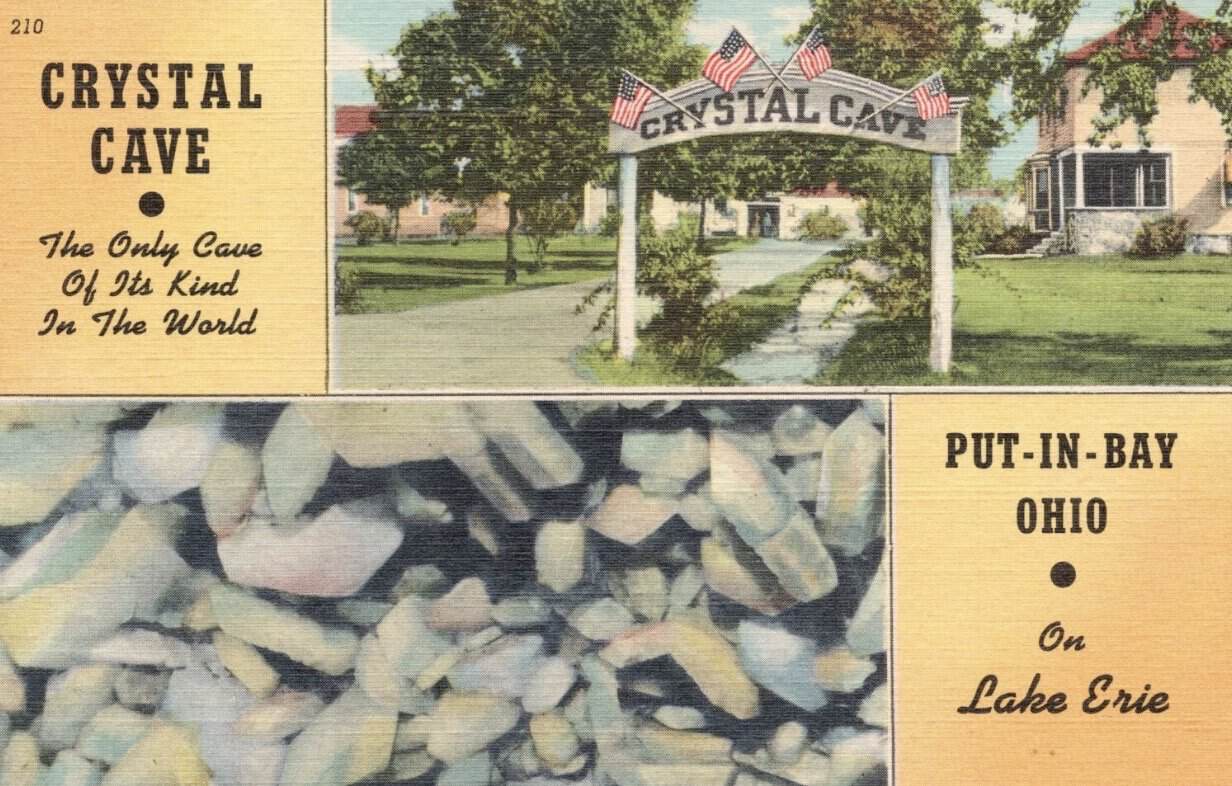
Eventually, mining in the cave was stopped in favor of creating a tourist attraction. Ultimately, this decision would prove pivotal in the continuation of the winery for the future.
During Prohibition, when the other wineries on the island were forced to close, Heineman Winery was able to survive by putting wine-making on hold and marketing the cave as a tourist stop and serving unfermented grape juice. Once Prohibition ended, the winery was once again able to resume operations.
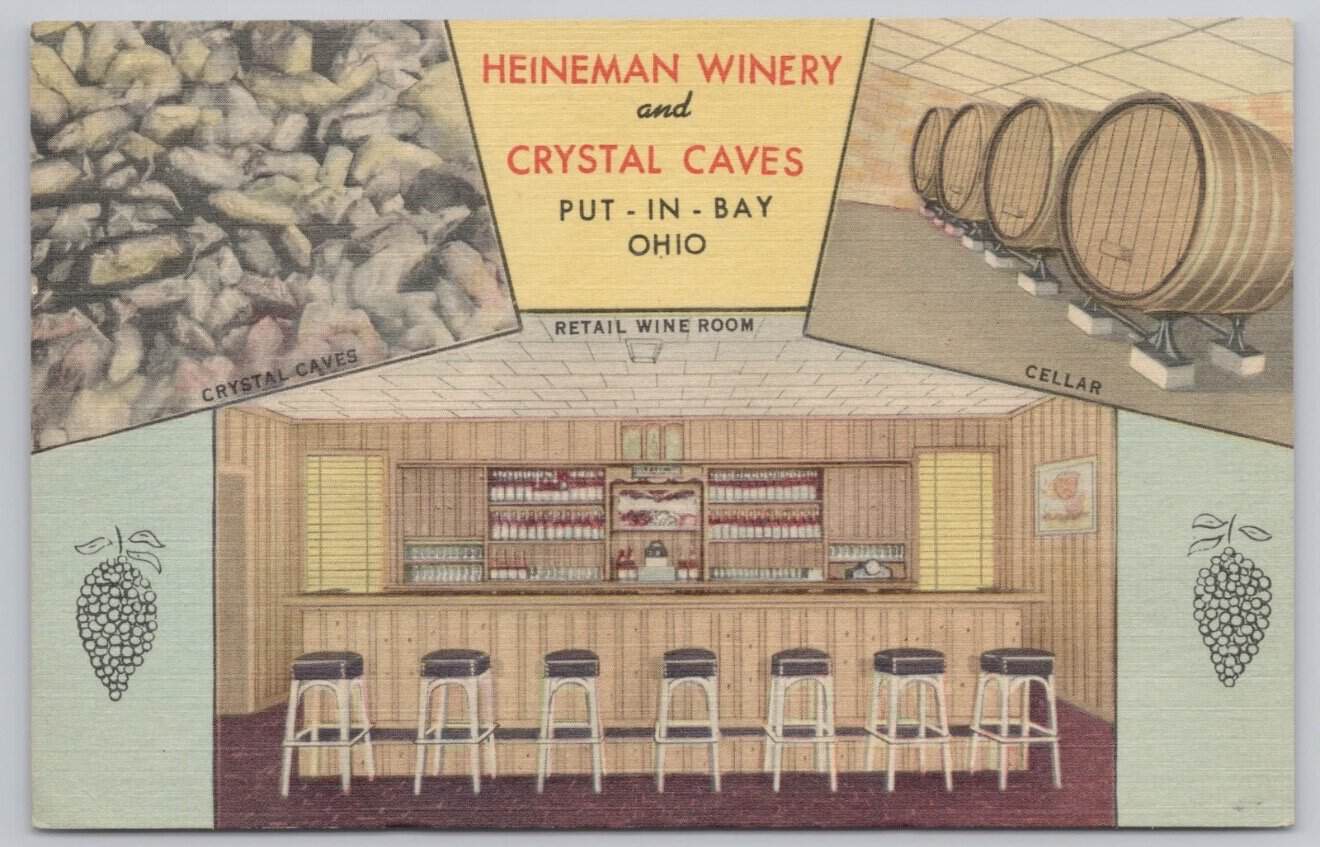
Now, both the Crystal Cave and Heineman Winery are available for tours. Combined tours of both the winery and cave include a 5 ounce glass of your choice of wine or grape juice. Tickets are $14 for adults and $8 for children ages 6-11. Check out the winery's website for days and hours of operation.